Thinking about the freedom of a “no HOA” property in Jupiter Farms? If you love space, privacy, and room for horses, RVs, or a big workshop, it can be an amazing fit. But no HOA does not mean no rules. You still need to understand zoning, permits, wells and septic, and how roads get maintained. In this guide, you’ll learn exactly what “no HOA” means here, what you can and can’t do, and the due diligence steps that help you buy with confidence. Let’s dive in.
What “no HOA” means here
Jupiter Farms sits in unincorporated Palm Beach County. That means county departments handle things like building permits, zoning, code enforcement, animal control, and public safety. “No HOA” means there’s no mandatory homeowners association charging monthly dues or enforcing private design rules.
It does not remove county, state, or federal regulations. It also does not guarantee your deed is free of private restrictions. Some lots still carry recorded covenants or easements from past owners or developers. Always verify before you buy.
Day-to-day life on acreage
Lot size and lifestyle
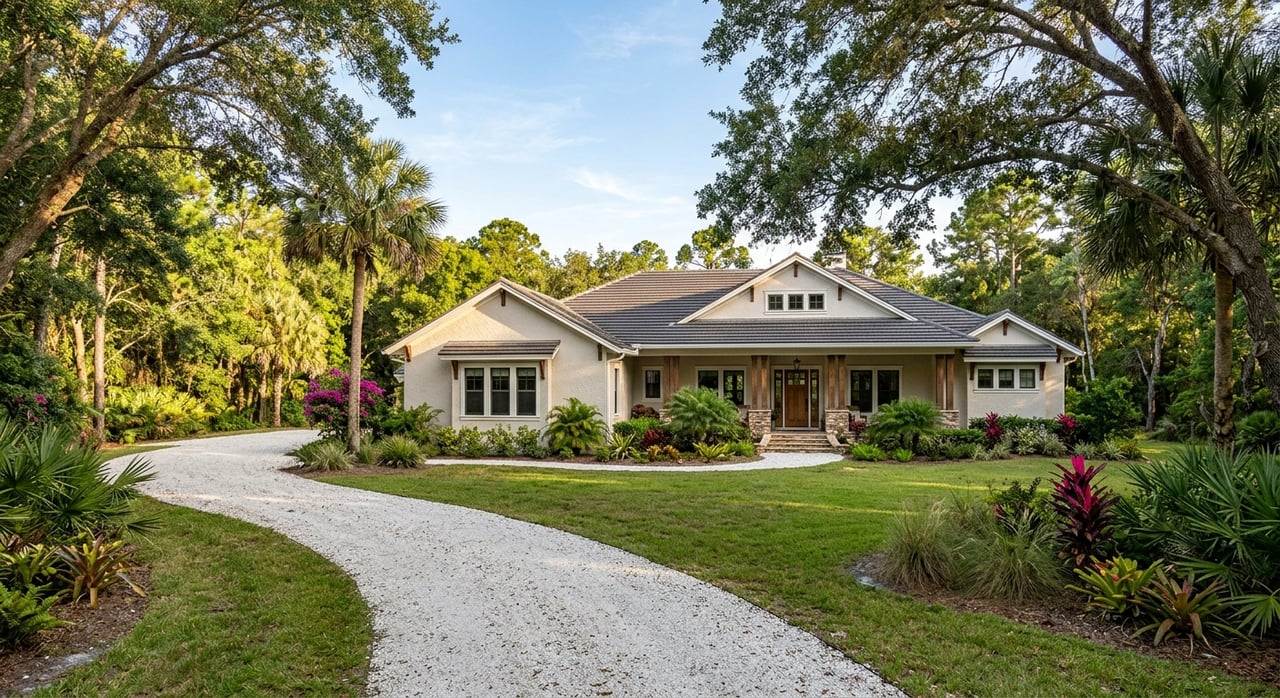
Most properties in Jupiter Farms are 1 acre or larger, with many at 2 to 5 acres or more. You’ll see barns, paddocks, gardens, and room to store equipment. The feel is semi-rural, with fewer sidewalks and more dirt or gravel roads than in suburban neighborhoods. Some areas rely on private wells and septic systems.
Animals and pets
You can often keep horses and other livestock, but you must follow Palm Beach County rules. The number of animals and where you place barns depends on your zoning, your lot size, and required setbacks. Waste storage, drainage, and proximity to neighbors matter and may require permits.
RVs, boats, and gear
Many owners park RVs, trailers, and boats on their property. Whether that works on a specific lot depends on county zoning rules, setbacks, and any private deed restrictions. You also need enough access for turning and parking without blocking rights-of-way. Screening or surface rules may apply, and long-term parking on unpaved front yards can be restricted by county code.
Building freedom, with permits
Without an HOA, you have fewer private design limits. Still, every structure must meet the Florida Building Code and Palm Beach County permitting and inspection requirements. Hurricane and wind standards apply to homes, barns, and garages. Unconventional structures, like shipping containers or manufactured homes, may be possible in certain zones but usually require specific permits and may be limited by private covenants or insurance.
Wells, septic, and utilities
Many homes use private wells and septic systems. You are responsible for maintenance, testing, and any upgrades. Septic capacity affects how many bedrooms or additions you can support. Electricity and cable are generally available, but service and internet speeds can vary in rural pockets. If reliable high-speed internet is essential, verify before you make an offer.
Roads and drainage
Some roads are county maintained, while others are private with shared maintenance agreements. Confirm who maintains your access roads and whether there are fees. Drainage is managed by the county and water control districts, but conditions vary lot by lot. Standing water can affect buildability and septic performance.
Rules that still apply
Zoning and land use
Palm Beach County zoning controls permitted uses, setbacks, accessory structures, and home occupations. Zoning decides if something is allowed by right, needs a special permit, or is not allowed. Always confirm your parcel’s zoning and use permissions before planning animals, barns, or an RV garage.
Building and safety
The Florida Building Code and Palm Beach County Building Division govern permits, inspections, and construction standards. New homes, additions, barns, and substantial structural changes require permits and inspections. Flood elevation rules apply if your lot is in a mapped flood zone.
Health and environment
Septic systems fall under the Florida Department of Health at the county level. Expansions or bedroom additions may require septic upgrades. Wetlands, protected species, and surface water rules can affect where you build, fence, or keep animals. Environmental approvals may be required for grading or drainage changes.
Noise, nuisance, and safety
County nuisance and noise ordinances apply even without an HOA. Animal control rules, waste management, and public safety laws are enforced by the county. Activities like burning trash or creating excessive noise can lead to enforcement actions and fines.
Private covenants and easements
Some properties carry recorded deed restrictions or covenants. These can limit visible vehicle storage, set architectural rules, or restrict certain uses even without an HOA. Easements for utilities, drainage, or access also limit where you can build or fence. These private documents are enforceable and survive a sale.
Buyer due diligence checklist
Use this list to verify what you can do with a specific property before you go under contract.
Records and legal
- Order a full title search for deeds, easements, and any recorded covenants.
- Confirm zoning and any conditional use permits with Palm Beach County Zoning.
- Ask the seller for copies of any voluntary neighborhood or road agreements.
Site and inspections
- Get a full home inspection, including outbuildings, roof, and foundation.
- Inspect the septic system and review its capacity and design; confirm it supports future plans.
- Test the well and water quality if the property uses a private well.
- Obtain a current boundary or ALTA survey to identify exact lines and easements.
- Verify flood zone status and consider an elevation certificate if near flood-prone areas.
- Order environmental or wetlands assessments if you plan major grading, barns, or paddocks.
Permits and improvements
- Check that past improvements were permitted and closed out with final inspections.
- Review permitting timelines and requirements for planned additions like barns or RV garages.
Utilities and services
- Confirm available service providers for power, internet, and waste pick-up.
- Determine whether roads are county or private and obtain any road maintenance agreements.
Lifestyle and fit
- Visit at different times and days to understand noise, activity, and traffic.
- Talk to neighbors about typical practices and norms around animals, riding, and equipment.
Insurance and finance
- Get quotes for homeowners, wind/hurricane, and flood insurance before finalizing your offer.
- If using FHA or VA loans, confirm the property’s well and septic setup meets lender guidelines.
Pros, tradeoffs, and resale
The big draw of Jupiter Farms is flexibility: space for animals, vehicles, barns, and privacy. The tradeoffs are less uniformity, more personal responsibility for wells and septic, and sometimes slower permitting for custom projects. Property taxes are county assessed, and exemptions like homestead or agricultural classification have specific qualifications that must be met.
On resale, “no HOA” attracts buyers who want freedom. Some buyers prefer the structure of an HOA. Clear documentation of zoning, permitted uses, surveys, septic capacity, and road status can help your property stand out when it is time to sell.
How The Grove Group helps
Buying acreage without an HOA is exciting, but the details matter. Our team pairs local Jupiter expertise with a calm, step-by-step process so you understand zoning, wells and septic, flood risk, and any private restrictions before you commit. We coordinate the right inspections, verify records, and align your goals with the property’s actual capabilities.
If you are exploring Jupiter Farms, we would love to help you compare lots, plan improvements, and buy with confidence. Connect with The Grove Group to walk through your options and Schedule Your Free Consultation.
FAQs
What does “no HOA” mean in Jupiter Farms?
- There is no mandatory association or private dues, but county, state, and federal rules still apply, and some lots have recorded private covenants.
Can I keep horses on a Jupiter Farms lot?
- Often yes, depending on your zoning, lot size, setbacks, and waste management; permits and environmental limits can apply.
Can I park my RV or boat at home?
- Frequently, but you must meet county setback and screening rules and check your deed for any restrictions on visible storage.
Who maintains the roads near my property?
- Some are county maintained, while others are private; confirm maintenance responsibility and any shared costs before you buy.
Do I need permits for barns or garages?
- Yes. The Florida Building Code and Palm Beach County require permits and inspections for new structures and major changes.
How do wells and septic affect my plans?
- Your septic system’s design and capacity limit bedroom counts and additions; wells and water quality require testing and ongoing maintenance.
Will “no HOA” hurt resale value?
- It depends on buyer preference; clear documentation of zoning, utilities, surveys, and permitted uses often matters more than HOA status.