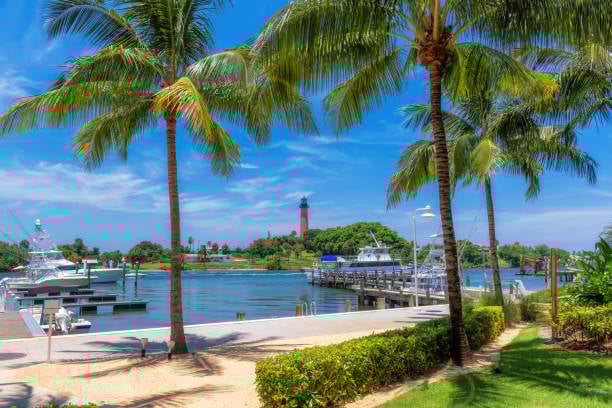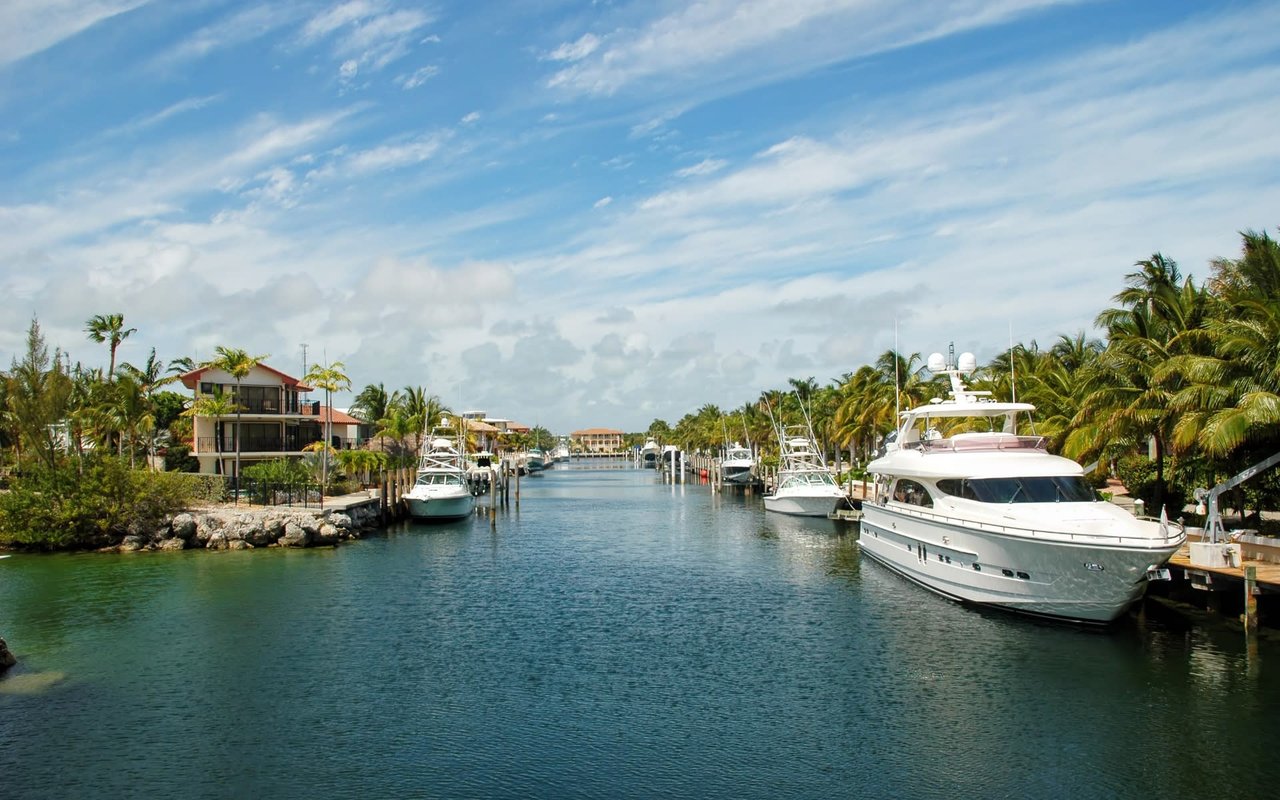
Dreaming of backing your boat out to the Loxahatchee River and cruising to the Jupiter Inlet in minutes? Pennock Point offers that rare mix of riverfront access, oversized lots, and a quiet, tucked-away feel. If you are considering a home here, you also want a clear plan for docks, permits, flood zones, and shoreline care. This guide walks you through what matters most so you can buy with confidence. Let’s dive in.
Why Pennock Point stands out
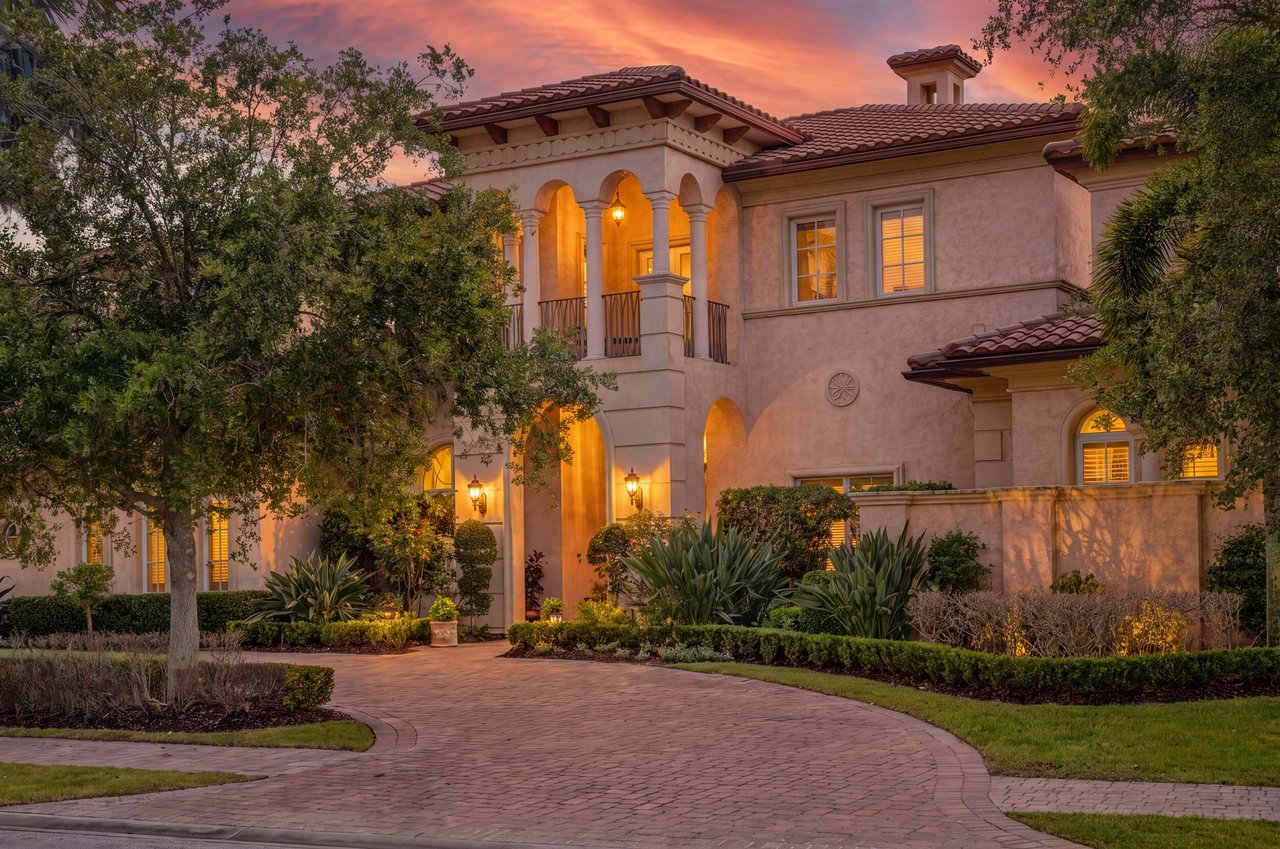
Pennock Point sits along the lower Loxahatchee River in Jupiter, close to the Jupiter Inlet and the Atlantic. You will find a small collection of riverfront estates and large interior lots with mature tropical landscaping. Many properties feature private pools and docks.
The area includes both original mid-century or ranch homes and newer custom builds. That variety is part of the appeal. Much of the neighborhood has no mandatory HOA at the peninsula level, so you often get more flexibility on design and use. Always confirm association status for a specific parcel during your review period.
River access and boating basics
Ocean access and bridges
From Pennock Point, you can reach the Intracoastal and Jupiter Inlet without fixed-bridge obstructions on most routes. That convenience is a big value driver for boaters. Still, confirm channel routing and bridge clearance for your vessel during due diligence, especially if you run a taller center console or sportfish.
Water depth and tides
Depth at the dock can vary by parcel, and it changes with tides and seasonal sediment shifts. Sellers sometimes advertise depth at mean low water. To verify, hire a local marine contractor to take on-site soundings and match readings to the nearest NOAA tide station for Jupiter Inlet. You can check local tidal ranges using NOAA’s Jupiter Inlet tide predictions.
Plan your operating windows if you run a deeper-draft boat. Ask your contractor about the channel condition, any shoaling patterns, and current inlet dredge status.
Docks, lifts, and permits you will need
Town of Jupiter approvals
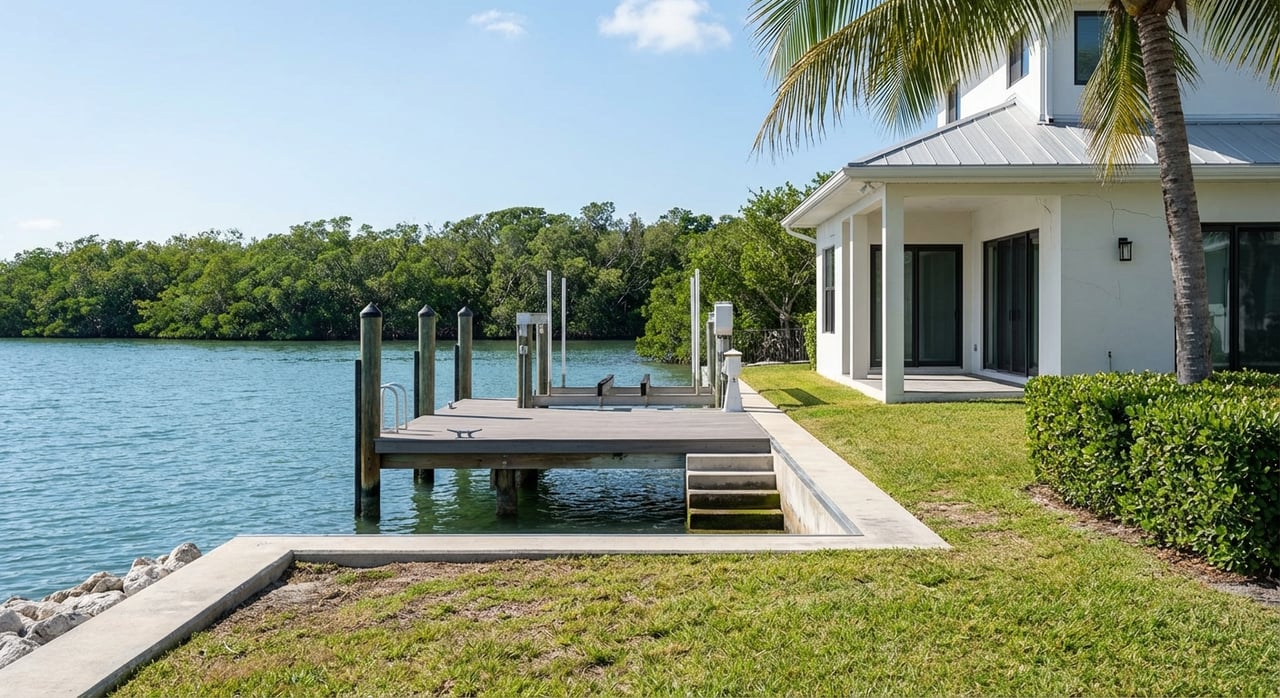
The Town of Jupiter requires permits for docks, boat lifts, and seawalls. Submissions typically go through multiple departments, including Building, Engineering, Planning and Zoning, and Natural Resources. Pre-application meetings help you understand setbacks, size limits, and submittal needs. Review the town’s guidance on marine facility permitting.
State submerged-lands authorization
If any part of your dock extends over state-owned submerged lands seaward of the mean high-water line, you will likely need authorization or a submerged-land lease from the Florida Department of Environmental Protection’s Division of State Lands. Confirm whether an existing dock has a valid and transferable authorization. Learn more from the Florida DEP’s overview of use of state-owned lands.
Federal review
Projects that affect navigable waters or wetlands can require U.S. Army Corps of Engineers authorization. The town’s process usually calls for proof of required state and federal approvals, so build that timeline into your plans. See the Town of Jupiter’s permitting FAQ for required approvals and contacts.
Shoreline, seawalls, and environmental notes
Seawalls and shoreline stabilization
Florida policy favors non-vertical shoreline protection where feasible and places limits on new vertical seawalls in many estuary settings. Replacement and repair work must follow local code and often involves environmental review. Before you buy, request as-builts, permit history, and any inspection or repair records. You can read the statutory framework that guides these reviews in Florida Statutes Chapter 373.
Sensitive habitats and river protections
Parts of the Loxahatchee River watershed carry special protections, and work affecting mangroves or aquatic preserves may need additional permits and mitigation. Get clarity early if your lot includes mangroves or seagrass beds. For context on the river’s conservation status, see the background on the Wild and Scenic Loxahatchee River.
Homes, lots, and lifestyle fit
Homes in Pennock Point range from updated ranch properties to expansive custom estates. Waterfront residences often feature 3,000 to 6,000 or more square feet, large covered lanais, and private docks or lifts. Interior homes vary widely by age and renovation level, and many parcels are larger than typical in-town lots.
Because many streets are not governed by a mandatory HOA, you may have more flexibility for renovations, storage, and design choices. Always verify any private covenants or small enclave rules attached to your specific address.
Smart due diligence checklist
Use this quick, buyer-friendly list to protect your interests during your inspection and contract periods.
- Survey and boundaries: Order a certified boundary survey and match it to the deed and county parcel record. The Palm Beach County Property Appraiser has parcel maps and data to help you verify lot size and frontage. Check riparian lines on riverfront properties. Start with the Palm Beach County Property Appraiser.
- Title and riparian rights: Ask your title company to confirm riparian rights, any recorded submerged-land leases, dock licenses, access easements, and maintenance responsibilities for shared shoreline elements.
- Dock and seawall records: Collect permits and final inspections for the dock, lift, and seawall from the Town of Jupiter and DEP, and confirm whether any submerged-land authorization is valid and assignable. Review the town’s marine permitting guidance here and the DEP’s submerged-lands FAQ here.
- Specialist inspections: Hire a marine contractor for underwater soundings, piling and hardware condition, and a lift load assessment. Engage a structural engineer for seawall tie-backs, scour, and undermining. Complete standard home and pool inspections.
- Flood zone and elevation: Verify the FEMA flood zone for your parcel and obtain an elevation certificate if available. Your insurance options and build requirements depend on these details. The county property appraiser’s site is a good starting point for parcel-specific data at the Property Appraiser.
- Environmental constraints: Ask whether mangroves, seagrass, or preserves are present and what that means for trimming, views, and dock expansion. Review the Wild and Scenic River context at Florida State Parks.
- Utilities and drainage: Confirm sewer connection versus any private system, plus the location of drainage easements and utility lines. Get this in writing from the seller and local utility records.
- Insurance and maintenance budgeting: Get early quotes for wind, flood, and homeowners insurance. Budget for routine dock and seawall care. Industry guidance can help you set expectations for dock build or replacement costs; see this Florida overview on dock construction costs.
- Rental rules and uses: If you plan to rent, review the Town of Jupiter and Palm Beach County short-term rental rules and any parcel covenants. The town’s permitting FAQ is a good starting point for local contacts.
- Contract protections: Include contingencies for survey, title, marine and structural inspections, flood insurance quotes, and verification of permits and submerged-land authorizations. Allow extra time if you anticipate new dock or seawall work that requires state or federal review.
Offer strategy for a tight market
Pennock Point is a small, high-demand riverfront pocket, so inventory can be limited and the best homes move quickly. Work with a local agent who understands frontage, dock capacity, and depth as price drivers. Build your offer around strong due diligence, with clear time frames for title, survey, and marine inspections.
For larger infrastructure items, consider negotiating repair escrows or allowances if timelines are tight. If DEP or other agency authorizations must be assigned or newly issued, add time to close.
Your next step
If Pennock Point feels like the right fit, your next move is to assemble the right team and verify the details that matter to a waterfront lifestyle. We help you evaluate lots, docks, permits, and insurance so you can buy with clarity and confidence. Ready to talk through a plan for your goals? Connect with The Grove Group to schedule your free consultation.
FAQs
What is Pennock Point in Jupiter?
- Pennock Point is a small riverfront area along the lower Loxahatchee River in Jupiter, known for oversized lots, private docks, and a mix of older homes and newer custom builds.
How do I confirm if a dock at a Pennock Point home is permitted?
- Ask for the town permit, final inspection, and any state submerged-land authorization, then verify with the Town of Jupiter and the Florida DEP using the town’s marine permitting guidance and the DEP’s state lands FAQ.
Are there HOAs in Pennock Point?
- Much of the area does not have a mandatory neighborhood-level HOA, but some enclaves may have private rules, so always confirm association status and covenants for the specific parcel.
What flood zones affect Pennock Point waterfront homes?
- Flood designations vary by lot. Verify your parcel’s FEMA flood zone and request an elevation certificate, since insurance costs and building rules depend on these details; start with the county’s property appraiser site.
How can I check water depth at a Pennock Point dock?
- Hire a marine contractor to take on-site depth soundings at mean low water and compare results to NOAA’s Jupiter Inlet tide predictions to understand usable draft and tidal windows.
What should I know about seawalls on the Loxahatchee River?
- Seawalls require ongoing maintenance and must meet local rules; Florida policy often favors non-vertical options where feasible. Review permits and inspection history and see Florida Statutes Chapter 373 for the regulatory framework.