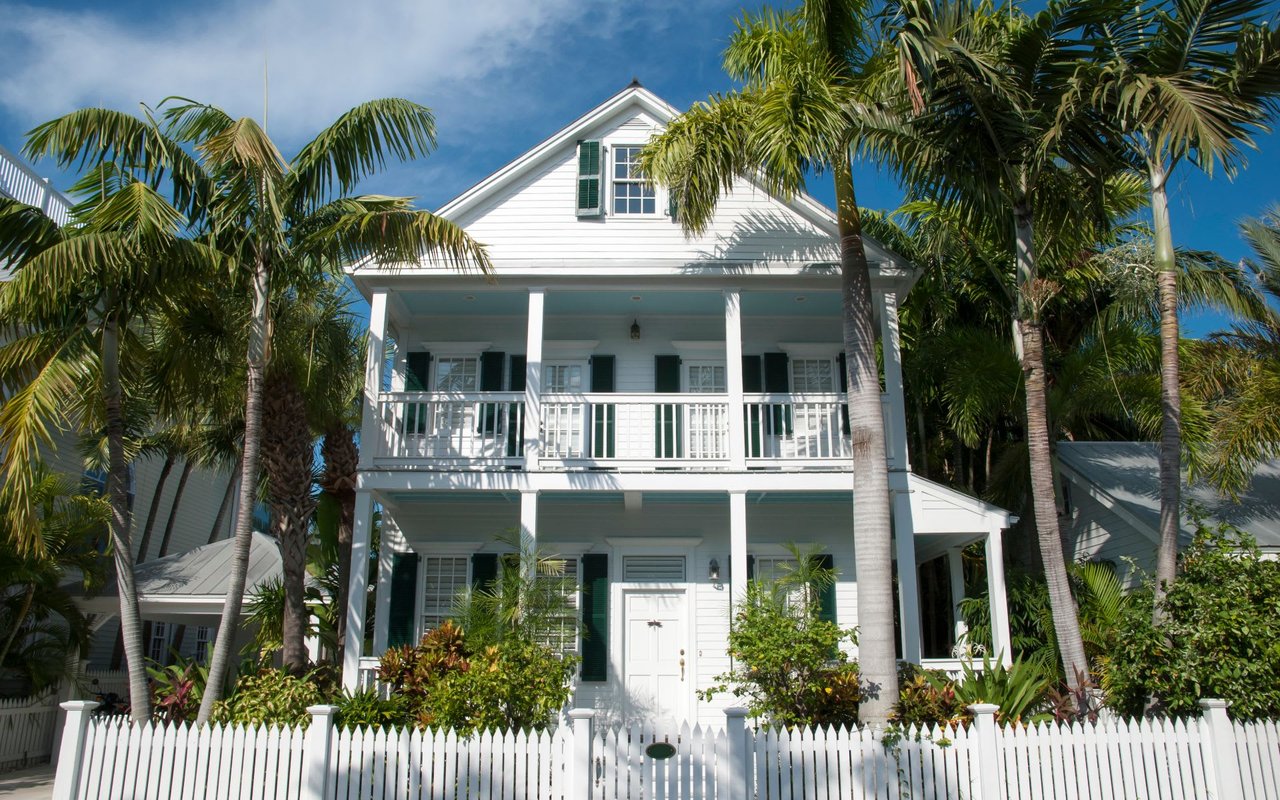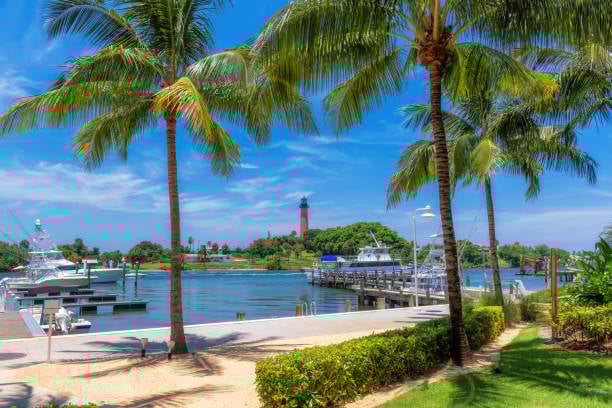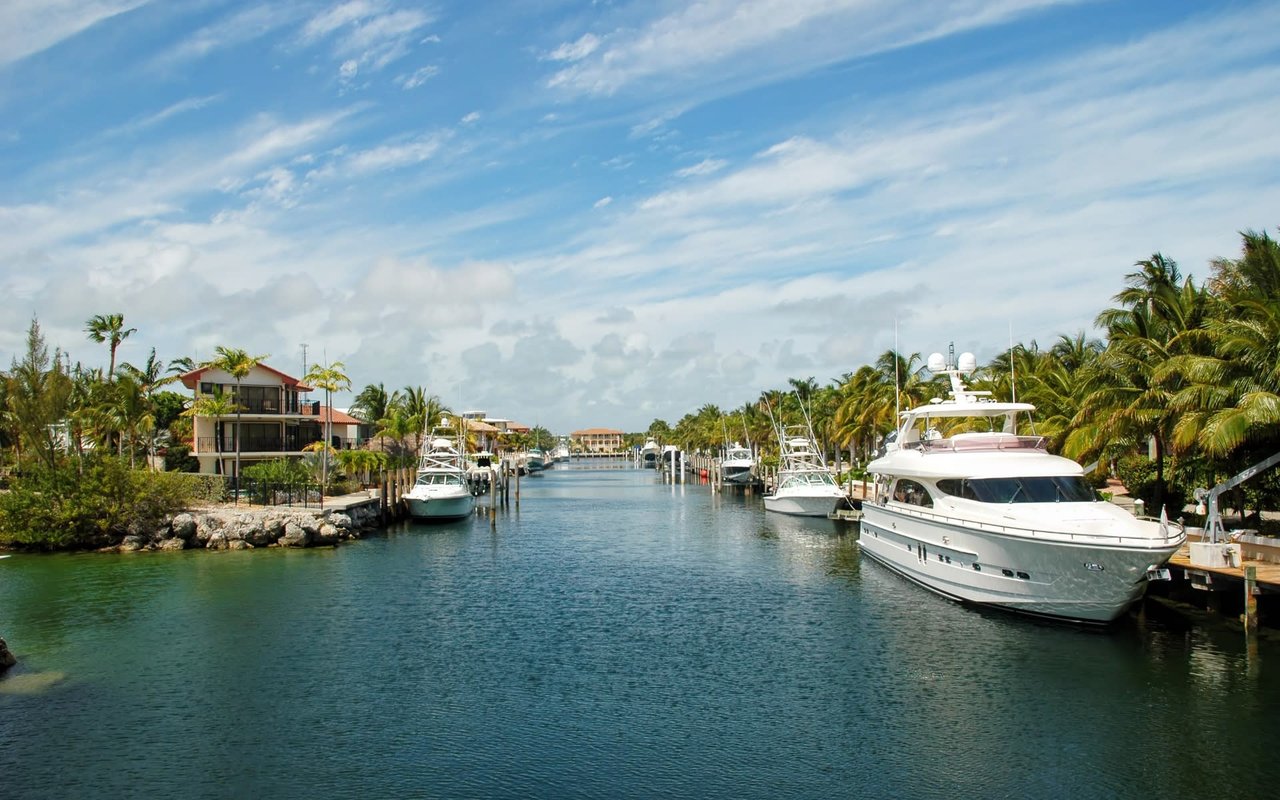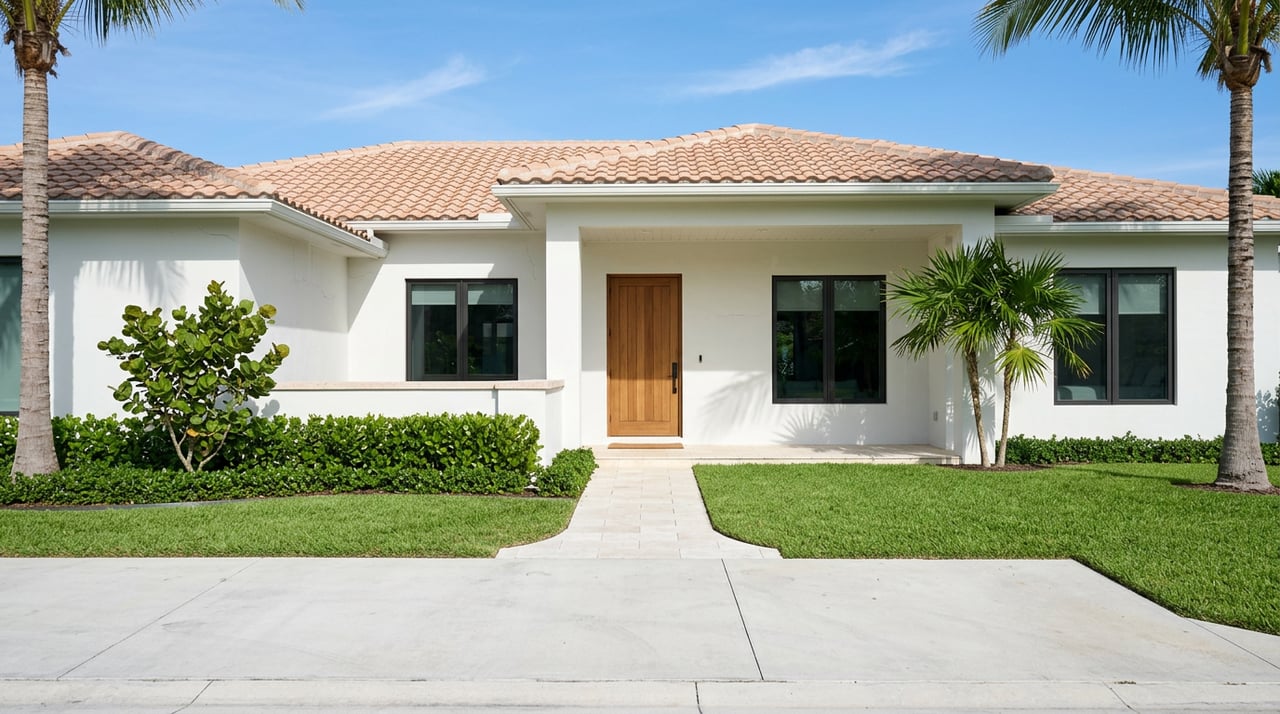
Picture your mornings starting with quiet ocean views and evenings spent under a starry, sea-breeze sky. A second home on Jupiter Island can deliver that calm, private coastal lifestyle. It also comes with unique rules, costs and coastal considerations that are different from mainland or typical resort towns. In this guide, you’ll learn the essentials to plan wisely, avoid surprises, and buy with confidence. Let’s dive in.
Define your use from day one
How you plan to use the home drives everything else. Will it be personal use only, or do you want the option to rent it seasonally?
Personal use vs rental
- Personal use only: You’ll still plan for flood risk, insurance and coastal rules, but you skip rental permitting, guest operations and rental tax filings.
- Short-term rental: The Town of Jupiter Island requires a vacation-rental permit, annual renewal, inspections, minimum liability insurance, and a designated local responsible party. Occupancy is often limited to two people per bedroom, capped at 12. Review the town’s vacation rental ordinance and permit requirements and budget startup and annual costs before you buy.
Pro tip: If you expect to rent, outline your operating plan early. Decide who handles guest screening, 24/7 response, cleaning, safety gear, and monthly tax filings. These details affect both your home search and your offer timeline.
Know the coastal rules that shape ownership
Jupiter Island is a barrier island with active environmental standards. These rules protect the shoreline and sea turtles and can influence windows, lighting, decks, pools and rebuild plans.
Lighting and sea turtle protections
The Town enforces exterior-lighting standards for beachfront properties to reduce sea-turtle disorientation, including shielding, color temperature and long-wavelength options. If you plan any exterior upgrades, review the residential lighting guidelines so your fixtures and glazing plans comply.
Beach Protection District and erosion tax
Jupiter Island funds dune and beach restoration through a dedicated Beach Protection District with its own ad valorem assessment. Expect this line item on your tax bill. Learn how the program works on the Town’s Beach Protection page and confirm any current or planned projects near your parcel.
Waterfront setbacks and permits
Setbacks and coastal permits can limit where you can build or expand near the water. Before you plan a new pool, cabana or seawall work, consult the Town’s ordinances and development resources and ask whether Florida’s Coastal Construction Control Line (CCCL) rules apply to your lot.
Budget the real costs of ownership
Beyond the purchase price, Jupiter Island has several cost drivers you should model up front.
Property taxes and assessments
- Property taxes are assessed by Martin County. Rates vary by taxing district, and the Town’s Beach Protection levy applies within the island. Review current millage codes and ask for the parcel’s latest TRIM notice. The county publishes annual rates on its site for reference at Martin County millage codes and tax rates.
Closing costs and doc stamps
- Florida charges a documentary stamp tax on deeds, commonly calculated at $0.70 per $100 of purchase price outside Miami-Dade. Confirm who pays in your contract and verify the estimate with your title company. You can review the statute summary here: Florida documentary stamp tax context.
Insurance and flood exposure
- Flood insurance: If your home is in a FEMA Special Flood Hazard Area and you use a lender, flood insurance will be required. Premiums under Risk Rating 2.0 are property specific, so secure quotes early from NFIP and private carriers. An Elevation Certificate can influence underwriting and cost.
- Homeowners and wind: Florida’s coastal market can carry higher premiums and hurricane deductibles. Obtain written quotes before you make an offer. Market conditions evolve, as noted by Citizens Property Insurance updates. Compare options and ask about discounts tied to impact glass, roof age, and secondary water barriers.
Rental taxes if you rent
- Short-term rentals in Martin County are generally subject to state sales tax and a 5% Local Option Tourist Development Tax. Platforms may not remit all local taxes on your behalf. Learn about local option taxes from the Florida Department of Revenue and build monthly filings into your plan.
Choose the right property type
Each property type on Jupiter Island comes with tradeoffs. Align your choice with your lifestyle and maintenance expectations.
Single-family beachfront homes
- Maximum privacy, direct beach access and strong getaway appeal.
- Higher maintenance and insurance costs and stricter coastal permitting for any expansions or dune-adjacent work.
Condominiums or managed communities
- Lower maintenance and built-in management conveniences.
- Potential HOA rental restrictions, different insurance structures, and less flexibility for exterior changes like lighting.
Vacant lots or rebuild candidates
- Opportunity to create exactly what you want.
- Requires deeper due diligence on elevation, setbacks and permitting. Confirm whether current codes reduce the buildable envelope and whether past coastal permits affect future plans.
Logistics, utilities and storm readiness
Jupiter Island living is unique. Plan these practical items before closing so your second home is easy to enjoy.
Travel access
Palm Beach International Airport is the nearest major commercial airport, typically a 35 to 60 minute drive depending on traffic. Check flight options and schedules on the PBI official site. Private flyers often use Witham Field in Stuart.
Utilities and septic
Some island streets have central water while still using septic systems. Never assume municipal sewer service is available. Confirm water and sewer details and any required connections or assessments during inspections and with the Town.
Hurricane season and home hardening
Create a plan for storm prep, off-season care and quick response. Many owners use a local property manager for pre-storm checklists, securing outdoor items, and post-storm inspections. Consider impact glazing, elevated mechanicals and storm-rated improvements. Local vendors offer turnkey hurricane programs, such as those described by regional hurricane-preparedness providers.
A smart Jupiter Island due diligence plan
Here is a practical checklist to reduce surprises and streamline your purchase:
- Clarify your primary use: personal only, seasonal family use, or short-term rental. Your answer drives permitting, taxes and insurance.
- Pull parcel-level records: deed and encumbrances, flood zone and the latest Elevation Certificate. FEMA explains the certificate’s role here: Elevation Certificate overview.
- Verify Town permitting and assessments: review the Town’s vacation-rental permit rules and beach-district assessment details.
- Confirm coastal constraints: ask the Town about waterfront setbacks and whether CCCL permits are required. Start with the Town ordinances and development resources.
- Get insurance quotes early: homeowners, wind and both NFIP and private flood. Ask about required mitigations and hurricane deductibles.
- If renting: set up Florida sales tax and Martin County tourist tax accounts and determine who files monthly. Read the state’s overview of local option transient taxes.
- Line up your local team: coastal engineer or surveyor, property manager or concierge, title company and closing attorney.
- Confirm closing costs: request a detailed estimate, including doc stamps on the deed and any lender-related costs.
Work with a local team you can trust
Jupiter Island is a low-volume, ultra-luxury market where each property stands on its own merits. That means precise comps, careful inspections and early insurance quotes matter more than usual. With deep knowledge of coastal living in Jupiter and northern Palm Beach County, our team helps you navigate island-specific rules, connect with vetted local pros, and position your offer with confidence.
Ready to explore second-home options on Jupiter Island and build a plan that fits your lifestyle? Connect with The Grove Group to start your strategy and tour the right homes.
FAQs
What permits do I need to rent a Jupiter Island second home short term?
- The Town requires a vacation-rental permit with annual renewal, inspections, minimum liability insurance and a 24/7 local responsible party. Review the Town’s ordinance before you buy.
How are Jupiter Island property taxes different for beachfront areas?
- In addition to Martin County property taxes, homes within the Town are subject to a Beach Protection District ad valorem assessment that funds dune and shoreline projects. See the Beach Protection program.
Do I need flood insurance on Jupiter Island if I pay cash?
- Lenders require flood insurance in FEMA Special Flood Hazard Areas, but even cash buyers often choose coverage. Premiums are property specific under Risk Rating 2.0 and can be influenced by an Elevation Certificate.
How long is the drive from PBI to Jupiter Island?
- Typical drive time ranges from about 35 to 60 minutes depending on traffic and your specific address. Check flights and timing on the PBI official site.
Can I rebuild or expand a beachfront home on Jupiter Island?
- It depends on waterfront setbacks, dune protections and whether state coastal permits apply. Discuss your concept with the Town early and review the ordinances and development resources to understand feasibility.