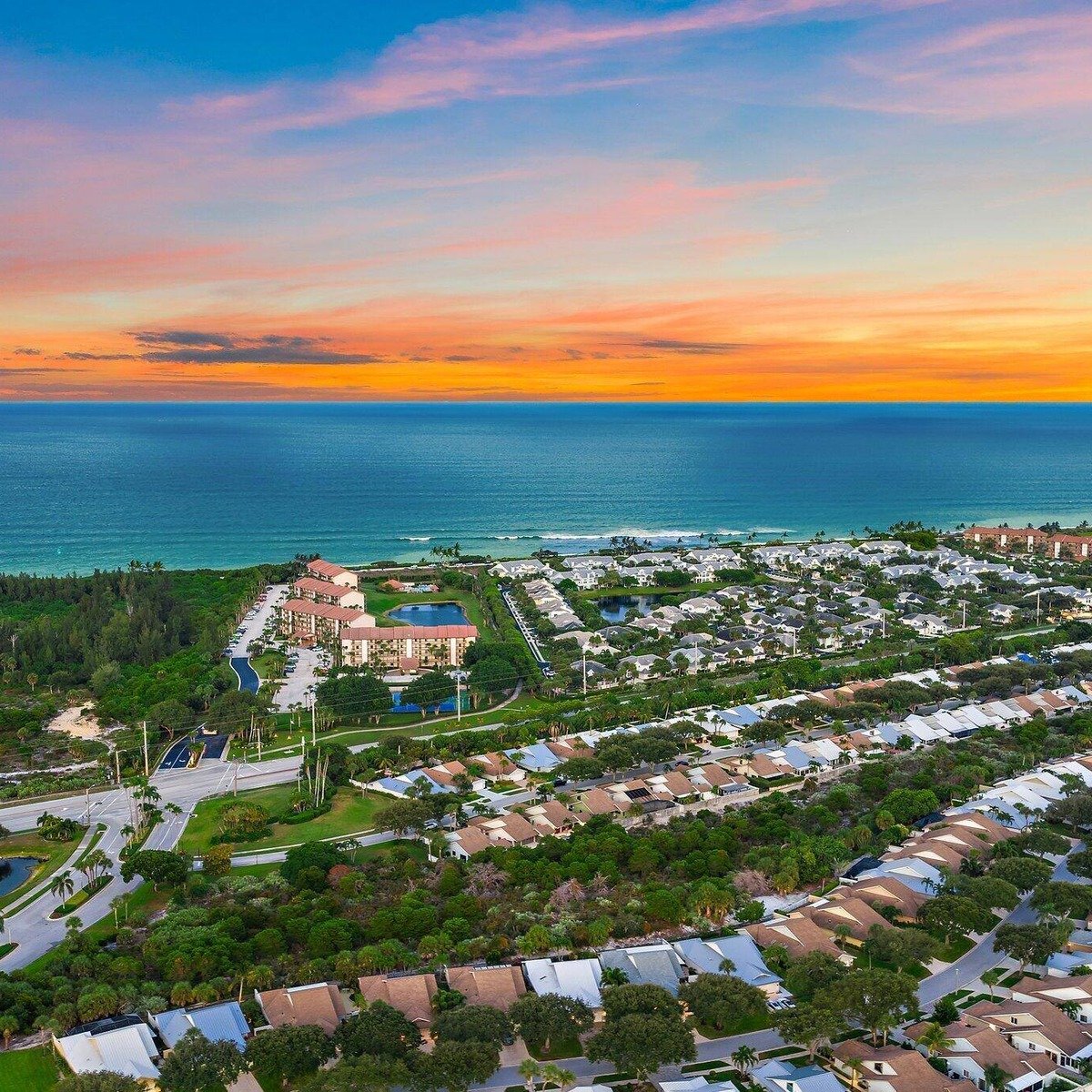
If you live in Juno Beach, you already know the summer rhythm: the beach parking fills by 9, the pier crowd rotates through before sunset, and the porch lights go dim once the first nests appear. This year the rhythm shifted early, and it shifted in two directions at once.
The turtles came weeks ahead of schedule. The pier went partially under construction on June 1. Both stories change how a resident actually uses the beach between now and October, and both are worth understanding before you plan a Saturday morning or invite friends up from Broward.
Here is the thesis in one sentence: summer 2026 has inverted the usual Juno Beach script, because the sea turtle programs are now the scarce, book-ahead attraction and the pier is the amenity that requires patience.
The season started before the season
On Wednesday, February 11, Loggerhead Marinelife Center documented the earliest sea turtle nest ever recorded by the Center, signaling the start of what is expected to be another busy nesting season. That is roughly three weeks before the season officially runs from March 1 through October 31, when tens of thousands of sea turtles return to Palm Beach County to lay their eggs.
Justin Perrault, LMC's Vice President of Research, tied the early activity to warming ocean waters, and the Center's research slate this year covers satellite tagging, nest temperatures, foraging and fasting behavior, toxicology, and dive information in relation to the STPZ.
Two numbers put that in perspective for anyone who has lived here more than a season. In 2025, researchers recorded 20,871 sea turtle nests, including loggerheads, green turtles, and leatherbacks. And this May, Loggerhead Marinelife Center documented the first-ever Olive Ridley sea turtle nest in Florida. A species not previously nesting in the state chose Juno Beach's sand. That is a genuinely local story with no equivalent up or down the coast.
The zone matters for boating households too. The recently expanded voluntary Sea Turtle Protection Zone now includes Palm Beach County's entire 45-mile stretch of coastline. LMC partnered with Gumbo Limbo Nature Center to expand its voluntary STPZ zone given the higher risk turtles face from boat strikes. If your household keeps a boat at a local slip, the ask is straightforward: slower speeds, wider berth from the shore break, especially at dawn and dusk.
The pier, honestly
Here is the awkward truth for the summer. Construction for the refurbishment of the Juno Beach Pier is set to begin on site at the Pier on June 1, 2026. The full pier is not closing. Will the entire pier close? No. The project is phased specifically to avoid a full closure whenever possible. The current estimate is about six months.
What that looks like week to week:
| Detail | Status for summer 2026 |
|---|---|
| Pier length | 990 feet into the ocean, phased sections closed as work rotates |
| First section under work | South side of the "T," planned to be completed by June 5, 2026 |
| Weekly updates | Construction team provides weekly updates on sections under work |
| Pier House amenities | Snack bar, gift store, rental poles and bait remain available |
| Access fee | Nominal walk-on fee at the Pier House gate |
| Management | Loggerhead Marinelife Center has managed the pier since 2014 |
The practical takeaway: if you're a regular angler, check the Pier House social channels the night before, not the morning of. If you're bringing out-of-town guests for a sunrise walk, aim for a weekday and stay flexible about which side of the "T" is open.
What LMC is actually running this summer
The Center's summer calendar is broader than most residents realize, and the popular programs sell out. Guests can participate in seasonal experiences through September, including guided Turtle Walks, the Hatchling Discovery Program, Hatchling Releases, Tidal Tots and Plastic Free July Community Action Day.
A short breakdown for people who have been meaning to book something for years:
- Turtle Walks. The signature evening program. Participants observe the nesting process while learning about sea turtle biology, conservation and ongoing research efforts. Educational demonstrations may include red-light headlamps, amber lighting, night scopes and research tag scanning equipment.
- Hatchling Releases. Runs alongside the walks through late summer as nests reach the end of incubation.
- Tidal Tots. Family-oriented, aimed at younger kids.
- Plastic Free July Community Action Day. Neighborhood-scale beach cleanup and conservation programming.
- World Ocean Weekend Film Festival. A two-day celebration in partnership with the International Ocean Film Foundation, held during World Ocean Day weekend, June 13-14, 2026, at Loggerhead Marinelife Center in Juno Beach.
The Center itself remains a free destination, which locals sometimes forget. Situated on one of the world's most important sea turtle nesting beaches, LMC welcomes more than 350,000 guests each year and offers free admission and parking. The USA Today 10Best Readers' Choice Awards named it the No. 1 "Best Free Attraction" back-to-back for 2024-25. For anyone whose parents are visiting in July, that combination of free entry and a working hospital is a difficult itinerary to beat.
One quiet operational change worth knowing: to allow LMC's research team to concentrate on the most densely nested areas of beaches, the Center will now focus monitoring on an 8.5-mile stretch of shoreline, compared to the 9.5-mile stretch monitored in previous seasons. The Florida Fish and Wildlife Conservation Commission will monitor the remaining section of beach in northern Palm Beach County. If you're near the northern edge of town, the survey team you see marking nests may now be FWC rather than LMC volunteers. The response protocol is the same.
After-dark etiquette, from someone's back patio
The single most useful part of this post for a homeowner is the light guidance. Almost every Juno Beach household with a rear elevation facing the dunes controls a small piece of the hatchling survival math. The guidelines from LMC are specific, not vague:
- Keep your distance, remain quiet, and keep all lights off, including flash photography and cellphones.
- If you see hatchlings on the beach, allow them to crawl to the ocean on their own. Removing or digging hatchlings out of a nest is illegal. Removing sand above the nest will make it more difficult for the hatchlings to emerge.
- Enter the beach at designated access points and avoid walking on the dunes or beach vegetation to protect sea turtle nests, shorebird nests, and the dune plant ecosystem.
- Keep lights off at home while not in use and close your blinds at night to avoid adding to overall sky glow.
- Remove obstacles such as beach chairs, tables, water sport equipment, and umbrellas before dark.
The chairs-and-umbrellas one catches even long-time residents off guard. A stack of forgotten beach loungers by the dune line becomes a hatchling trap the same night. If you host summer guests, walk your beach approach at sunset the way you'd walk a driveway before a holiday party.
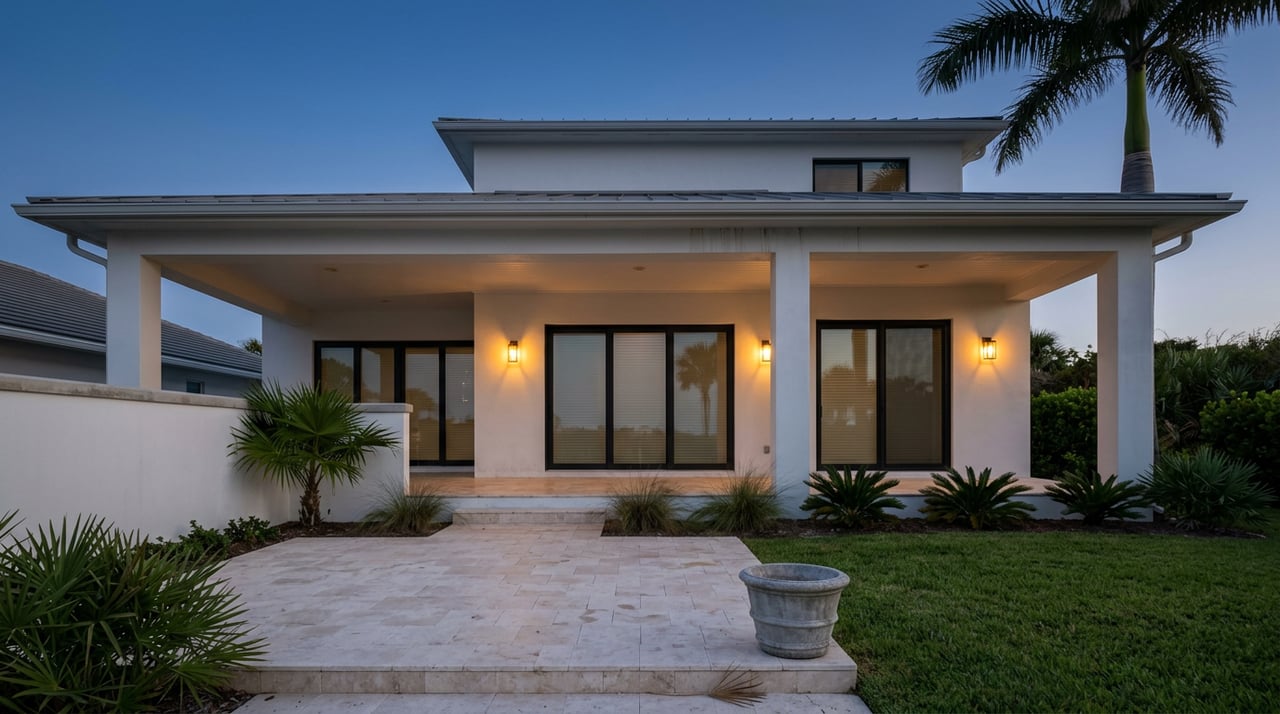
The lighting piece has a resale angle worth flagging. Buyers touring homes on the barrier side of A1A this summer will notice which houses have amber-toned exterior fixtures and which have bright white floods pointed toward the dune. The homes with turtle-compliant lighting look intentional and neighborly. It reads well in showings, and it reads well to the neighbors who talk to those buyers before they make an offer.
Putting the summer together
If a friend asks you what a good Juno Beach Saturday looks like right now, the answer is different than it was last July.
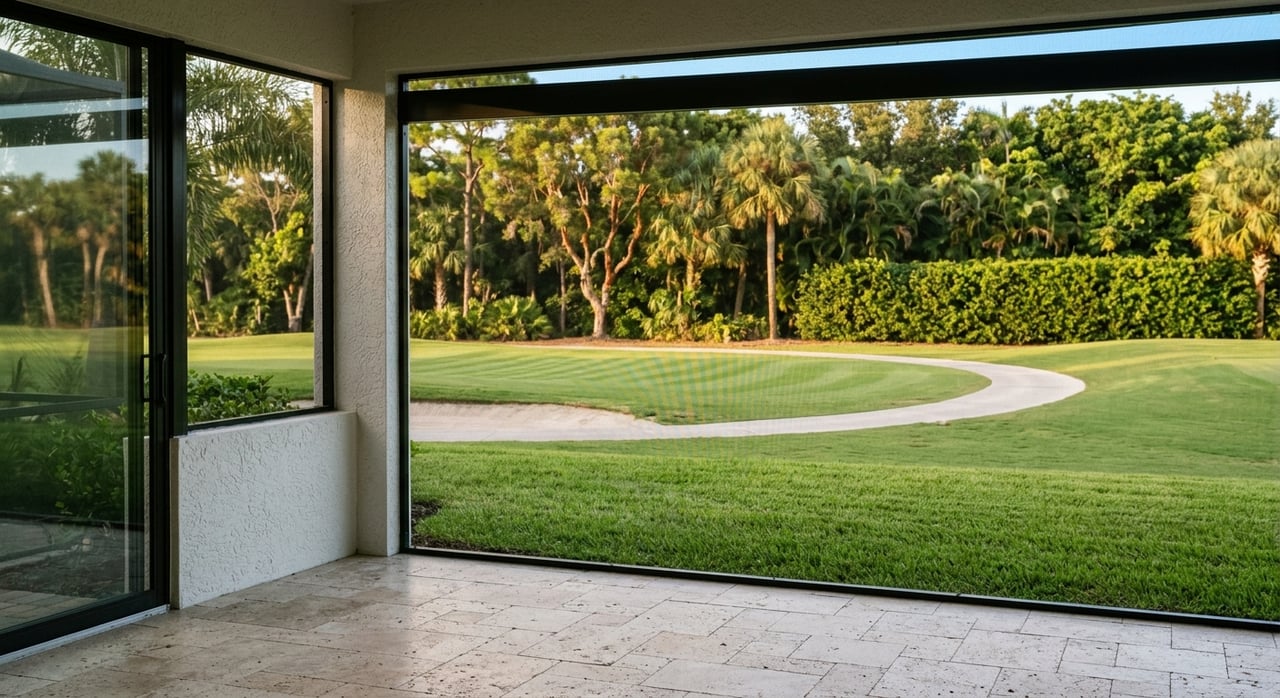
Start early on the pier, understanding a segment may be roped off. Cross US-1 to LMC before the mid-morning heat, walk through the outdoor hospital yard, and check the tide-chart board for the next hatchling window. Book a Turtle Walk for a weeknight, not the Saturday you're hoping to keep flexible, because reservations fill fastest for weekends. Save June 13 or 14 for the film festival if the forecast turns rainy. And once the sun drops, treat your rear patio the way you would in a national park at dusk: lights low, chairs stacked inside the screen enclosure, blinds drawn.
That is what a season built around this particular summer, in this particular town, actually looks like.
Thinking about the move
Whether you're new to the barrier-island stretch north of Donald Ross, deciding whether to trade an inland house for something closer to the dune, or preparing to list a Juno Beach home to buyers who ask smart questions about lighting ordinances and pier access, the local details matter. Katie Lucie and The Grove Group live and work in this market year-round and know how these seasonal rhythms shape both daily life and buyer decisions.
Schedule Your Free Consultation and let's talk through what your next chapter on this stretch of coast could look like.