If your idea of home starts with salt air, water views, and easy access to the beach, Singer Island is worth a closer look. But condo living here is not one-size-fits-all, and the right fit often depends less on the view and more on how you actually plan to live. This guide will help you understand what makes Singer Island unique, what types of condo lifestyles you may find, and what to review before you move forward. Let’s dive in.
Why Singer Island Appeals to Lifestyle Buyers
Singer Island offers a barrier-island setting in Palm Beach County with about seven miles of shoreline and close access to beach, boating, snorkeling, and fishing. It spans Riviera Beach and Palm Beach Shores and sits about six miles from West Palm Beach, which gives you a coastal feel without being far from everyday conveniences.
For many buyers, the draw is not just the oceanfront location. It is the mix of beach time, public parks, and water-based recreation that can shape your daily routine. Nearby destinations include Ocean Reef Park, Phil Foster Memorial Park, Peanut Island, and John D. MacArthur Beach State Park, which includes nearly two miles of beach, a boardwalk, a kayak launch, and accessible amenities.
That broader lifestyle matters. If you want more than a pretty balcony view, Singer Island stands out because it supports an active coastal routine with paddling, snorkeling, boating, and casual park access all nearby.
What Condo Living Looks Like on Singer Island
Singer Island condos come in a range of building styles, and that variety can change your day-to-day experience in a big way. Some buildings lean into full-service tower living, while others offer a quieter, lower-density setup.
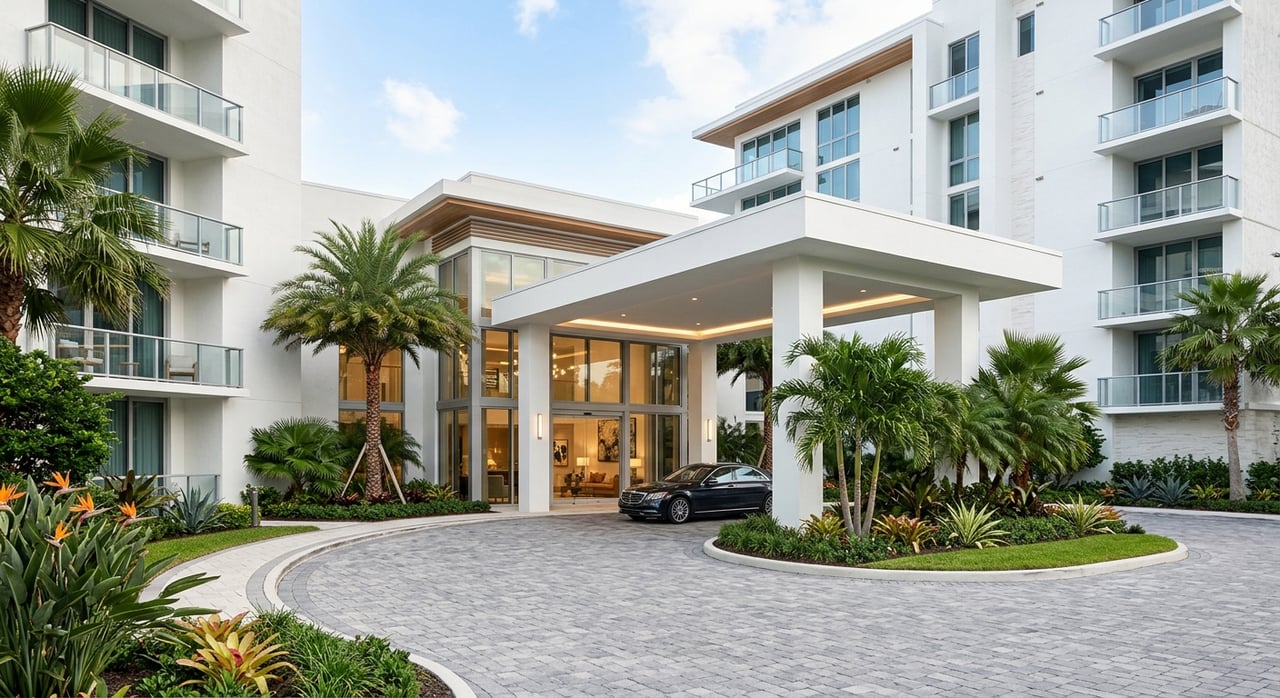
At the high-rise end, current buildings include resort-style options with more structured amenities and services. At the lower-density end, there are buildings with fewer residences per floor and more private residential layouts. There are also intracoastal-side communities with a different feel, including canal and dock access in some cases.
For you as a buyer, this usually comes down to a simple question: do you want a more active, amenity-rich building, or a more private and residential atmosphere? Neither is better across the board. The best choice is the one that fits your pace, priorities, and ownership plans.
Comparing High-Rise and Low-Density Lifestyles
High-rise condo living
High-rise buildings may appeal to buyers who want more support built into daily life. Depending on the community, that can include concierge service, secure package handling, fitness rooms, ocean-side pools, beach access, and covered or underground parking.
This style can work well if you want a lock-and-leave property or prefer more on-site structure. It can also be a good match if guest convenience, staffing, and amenity access are high on your list.
Low-density condo living
Lower-density buildings often attract buyers who value privacy and a more residential feel. Fewer residences per floor can mean a quieter setting and less traffic in common areas.
Some buyers prefer this style for full-time living, especially if they want a calmer environment that feels less like a resort. Others simply like the idea of a building where the shared spaces feel less busy.
Intracoastal-side communities
Not every Singer Island condo lifestyle centers on direct oceanfront living. Some communities on the intracoastal side offer a different kind of appeal, including canal or dock access and shared amenities like clubhouses, pools, tennis, pickleball, and marina features.
If boating access or a more socially active community setting matters to you, these properties may be worth including in your search. They can deliver a strong lifestyle value, even if they offer a different relationship to the beach.
Lifestyle Features to Compare Before You Tour
When you start narrowing down buildings, the most important differences are often practical. A beautiful lobby or great view can grab your attention, but your long-term experience usually depends on the details.
Here are some of the key points to compare before showings or offers:
- Direct beach access versus access through a nearby public park
- Number of residences per floor
- Elevator wait times and traffic patterns
- Parking type and whether spaces are assigned
- Extra storage availability
- Staff presence, concierge, or front desk coverage
- Guest policies and move-in or move-out procedures
- Pet rules
- Rental flexibility and lease minimums
These details shape how easy the property feels on a normal Tuesday, not just on showing day. That is especially important if you are buying a second home, planning to use the condo seasonally, or expecting frequent guests.
Why Building Rules Matter More Than Buyers Expect
Two condos on the same stretch of sand can feel very different once you look at the rules. Some buildings are better suited to seasonal, lock-and-leave ownership. Others may lean toward longer-term occupancy and more structured use.
For example, published building rules in one Singer Island community include assigned parking, owner responsibility for shutters, a three-month minimum lease, no pets except approved assistance animals, and formal move-in and move-out procedures. Rules like these are not unusual, but they can strongly affect whether a building fits your lifestyle.
That is why it helps to think honestly about how you plan to use the property. If you want flexibility, frequent visits from family, or a simple seasonal setup, those goals should guide your building search from the start.
Water Access Is Part of the Value
Singer Island is not just about ocean views from a condo balcony. The surrounding area supports a broader water-centered lifestyle that many buyers specifically want.
Public access points and recreation areas nearby include Ocean Reef Park, Phil Foster Park, and Peanut Island. The Blue Heron Bridge area is also well known for snorkeling and diving, which adds another layer to the local experience.
If you enjoy being on or near the water in more active ways, this can be a major advantage. It gives you options for beach days, paddling, boating, and exploring, rather than limiting your lifestyle to the building itself.
Coastal Ownership Comes With Extra Responsibility
Buying on a barrier island means enjoying a special setting, but it also means understanding the realities of coastal ownership. Palm Beach County identifies the shoreline from Ocean Reef Park north to John D. MacArthur Beach State Park as critically eroded.
The area is also part of a sea-turtle protection zone under county beachfront-lighting rules. For you as an owner, that means Singer Island is not just scenic. It is also part of an active coastal-management environment.
This does not mean you should avoid the market. It means you should go in with clear expectations about maintenance, building upkeep, and the importance of reviewing association documents carefully.
What to Review in Florida Condo Documents
In Florida, condo document review is a major part of the buying process, especially in resale transactions. You are entitled to important association materials, including the declaration, articles of incorporation, bylaws and rules, annual financial statement, and annual budget.
If applicable, you may also receive an inspector-prepared summary of the milestone inspection report and the association’s most recent structural integrity reserve study. These records can tell you far more about the building’s condition and planning than a showing ever will.
Associations with 25 or more units must also post digital copies of key records on a website or mobile app under current Florida law. That can include governing documents, board minutes, contracts, budgets, financial reports, and inspection reports.
Why Older Coastal Buildings Need Extra Attention
For older coastal towers, the inspection timeline matters. In Florida, milestone inspections are required for buildings that are three habitable stories or higher, generally at 30 years, and sometimes as early as 25 years in coastal or salt-water-adjacent circumstances depending on local enforcement rules.
Residential condominium associations with buildings three habitable stories or higher must also complete a structural integrity reserve study at least every 10 years. That study identifies key structural components, estimates remaining useful life and replacement cost, and recommends a funding plan.
As a buyer, you do not need to become a building engineer. You do need to make sure you and your professionals review whether these items are complete, current, and aligned with the building you are considering.
Insurance and Maintenance Questions to Ask
Insurance is another area where condo buyers should slow down and ask clear questions. Under Florida law, the association’s property policy generally covers the condominium as originally installed and later common-area additions, while unit owners remain responsible for personal property and certain interior finishes.
Associations may also maintain flood insurance for common elements, association property, and units. Even so, the practical issue is not just what is covered in theory. It is how the building’s policy works in real life and where your responsibility begins.
Ask your professionals to help you understand:
- What the master policy covers
- Whether there are coverage gaps you would need to handle personally
- What deductibles apply
- Whether major projects like concrete restoration, roof work, elevator upgrades, or seawall repairs have been completed
- Whether there are open special assessments or signs of deferred maintenance
How to Find the Right Singer Island Fit
The right Singer Island condo is usually not the one with the flashiest amenities or the highest floor. It is the one that matches how you want to live, whether that means full-time oceanfront living, a seasonal retreat, or an easy lock-and-leave setup.
A smart search starts with your routine. Think about whether you want direct beach access, lower-density privacy, marina features, guest flexibility, or stronger staff support. Then compare buildings through that lens instead of assuming all oceanfront condos offer the same experience.
That kind of planning can save you time, reduce surprises, and help you buy with more confidence. On Singer Island, lifestyle fit is everything.
If you are exploring condo living on Singer Island and want local guidance that keeps your real lifestyle goals front and center, The Grove Group is here to help you compare options, understand the details, and make a confident move.
FAQs
What makes Singer Island condo living different from other coastal condo markets?
- Singer Island combines oceanfront condo living with nearby access to parks, snorkeling, boating, fishing, and beach recreation, giving you a broader water-centered lifestyle.
What should Singer Island condo buyers compare before making an offer?
- You should compare beach access, residences per floor, parking, storage, staff presence, guest rules, pet rules, rental flexibility, and any move-in or move-out procedures.
What Florida condo documents should buyers review for a Singer Island resale purchase?
- Buyers should review the declaration, articles of incorporation, bylaws and rules, annual financial statement, annual budget, and any available milestone inspection and structural integrity reserve study materials.
Why do milestone inspections matter for Singer Island condo buyers?
- For many older coastal buildings in Florida, milestone inspections help identify structural issues and are part of the due diligence buyers should review with their professionals.
Are all Singer Island condo buildings good for seasonal ownership?
- No. Some buildings may work well for seasonal use, while others may have lease minimums, occupancy patterns, or rules that fit better with full-time or longer-term ownership.
What insurance questions should Singer Island condo buyers ask?
- Buyers should ask what the association’s policy covers, where unit-owner responsibility begins, what deductibles apply, and whether major repairs, deferred maintenance, or special assessments are part of the building’s current picture.