Do you picture coffee with the Atlantic sunrise outside your window, or a quiet street a few blocks back with bikes ready for a quick beach run? If you are weighing oceanfront living against a walk-to-beach address in Juno Beach, the right choice comes down to lifestyle, costs, and risk tolerance. You want clarity before you commit. In this guide, you will compare daily life, maintenance and insurance, pricing signals, privacy, and rental rules so you can choose with confidence. Let’s dive in.
Oceanfront vs walk-to-beach at a glance
- Oceanfront: unmatched views, instant sand access, and often resort-style amenities. Expect higher HOA dues, stricter maintenance cycles, and elevated insurance exposure.
- Walk-to-beach: quieter streets and more residential feel at a lower price point. You trade the direct view and full-service amenities for more control over maintenance.
Daily lifestyle trade-offs
Oceanfront living gives you immediate beach access, sweeping Atlantic views, and the kind of sunrise exposure that defines coastal Florida. Many oceanfront condo buildings in Juno Beach offer full-service amenities like pools, fitness centers, storage, and staffed entries that make day-to-day living feel effortless. These features are the primary reasons buyers pay a premium to be on or just across A1A.
You should also plan for higher foot traffic near public access points and popular attractions. The Juno Beach Pier and Loggerhead Park draw steady visitors, especially on weekends and during turtle season, which means more activity around core beachfront zones. If you prefer quieter surroundings, a few blocks back might fit you better. Learn about the area’s conservation attractions at the Loggerhead Marinelife Center.
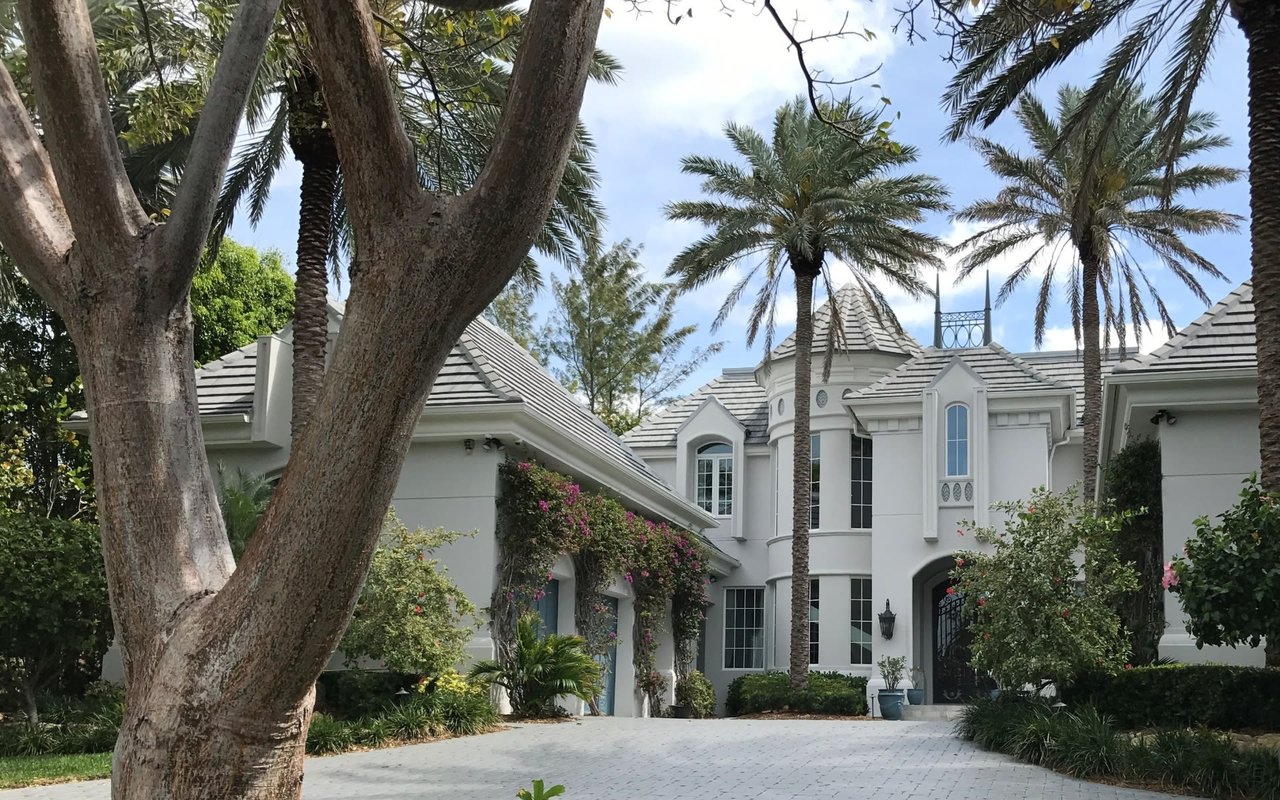
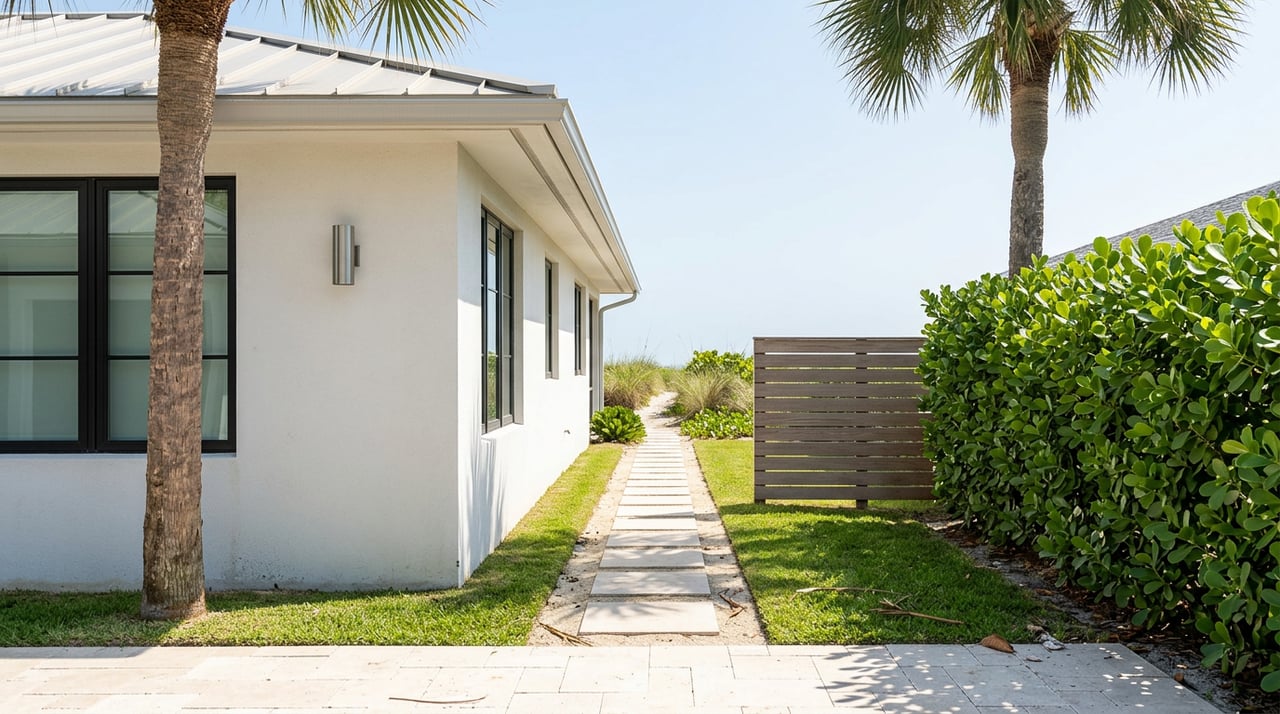
Walk-to-beach neighborhoods deliver a calmer residential setting within a short stroll or bike ride to the sand. Streets tend to feel more private, and you will often find homes with yards or low-rise condos with a neighborhood vibe. You give up the instant ocean view and some amenities, but you still capture most of the beach lifestyle at a lower purchase price.
Monthly costs and HOAs
Oceanfront condos with full amenities often carry higher association dues because of building insurance, staffing, security, pools, and reserves. Samples from luxury oceanfront buildings in Juno Beach commonly exceed 1,000 dollars per month, with several examples around 1,200 to 1,500 dollars on active listings. This is typical of full-service waterfront buildings.
Walk-to-beach condos a few blocks inland generally list lower and tend to have middle-range maintenance fees. Examples in Juno Beach show listings in the mid to upper price bands for the town, with sample maintenance fees roughly in the 800 to 1,063 dollar range depending on the community and its inclusions. Always compare what the association covers, such as building insurance, roof, exterior, water, trash, pest control, and reserves, before comparing monthly dues.
If you prefer a single-family home, remember your monthly line items shift from HOA dues to owner-managed costs like roof, exterior paint, landscaping, and pool care. This can lower the fixed monthly bill but introduce more variability year to year.
Maintenance and coastal readiness
Salt air accelerates wear. Oceanfront properties experience more frequent attention to exterior metal, railings, balcony hardware, wood trim, and some roofing systems. Coastal best practices from the FEMA Home Builder’s Guide to Coastal Construction recommend corrosion-resistant materials, elevated foundations in many flood zones, and impact-rated windows or shutters to reduce water intrusion and wind damage. You can review these guidelines in the FEMA Home Builder’s Guide to Coastal Construction (P‑499).
For any property near the coast, ask about impact windows and doors, shutter systems, generator readiness, and how mechanicals are protected or elevated. Expect whole-home or whole-unit impact upgrades to range widely in cost depending on size and design pressures. For condos, also ask when the association last completed exterior painting, balcony or railing replacements, and other salt-exposed work.
Insurance and flood risk
Flood insurance pricing in Florida now centers on property-level risk. Under NFIP’s Risk Rating 2.0, premiums reflect a home’s elevation, distance to water, foundation type, and replacement cost. Two homes only blocks apart can have very different premiums. Before you make an offer, obtain a written quote for the specific parcel and confirm its flood zone classification. Learn how pricing works from FEMA’s overview of Risk Rating 2.0.
Check the Town’s resources on flood zones and elevation certificates so you know exactly where a property falls. The Town of Juno Beach provides helpful information on the National Flood Insurance Program. For higher-value oceanfront homes, remember NFIP coverage caps often necessitate private excess policies to reach full rebuild values.
Pricing and market signals
Juno Beach is a small, in-demand coastal town with low transaction counts, which can make pricing feel less predictable from quarter to quarter. A recent municipal report showed only 17 closed condo and townhouse sales in Q1 2025, a reminder that low volume can amplify swings in reported medians. You can review the local data snapshot in the MiamiRealtors Q1 2025 municipal metrics.
Across vendor datasets, reported medians vary because they use different samples and time frames. For example, Redfin reported a Juno Beach median sale price of 877,500 dollars in February 2026, while MiamiRealtors’ Q1 2025 municipal snapshot listed 724,500 dollars for that period. The key is to align your expectations with on-the-ground inventory at your target building or neighborhood and to verify recent closed comps.
Privacy, public access, and community character
Proximity to public amenities shapes your experience. The Juno Beach Pier, Loggerhead Park, and the conservation areas help define the town’s outdoor culture and attract visitors during the day. Oceanfront buildings near these sites enjoy vibrant surroundings that many buyers love, while walk-to-beach streets slightly inland can feel more private.
If you are considering an oceanfront single-family home, ask about public beach crossovers, dune walkovers, or easements near your lot. For long-term shoreline health and property protection, review the local history of beach nourishment and coastal management for your specific reach. Palm Beach County’s Environmental Resources Management documents provide useful background on shoreline projects, including those affecting the Juno Beach segment. Read an overview of county shore protection work in this Palm Beach County resource summary.
Short-term rentals and rules
If rental income matters to your plan, confirm two layers of rules. First, many associations limit rental frequency, length of stay, and tenant approvals. Second, the Town of Juno Beach requires vacation rental registration and sets safety and occupancy standards. Palm Beach County’s 6 percent Tourist Development Tax applies to short-term stays, along with county and state registration requirements. You can review the Town’s vacation rental ordinance and registration requirements in the official Juno Beach ordinance text.
Your buyer checklist for Juno Beach
Use this quick list during showings and before you write an offer.
- Flood zone and elevation: Request the elevation certificate and verify flood zone classification on the Town’s NFIP page. Then get a written NFIP and private flood quote under Risk Rating 2.0.
- Association health: For condos, request the budget, reserve study, recent meeting minutes, and any pending or proposed special assessments. Confirm exactly what the fee includes.
- Rental rules: Check association restrictions and align them with the Town’s vacation rental registration and occupancy standards outlined in the ordinance.
- Oceanfront due diligence: For single-family lots, ask about seawall ownership and condition, nearby public crossovers or easements, and shoreline nourishment history. Start with this county shore protection overview.
- Insurance readiness: Get written quotes for homeowners, wind, and flood. Confirm hurricane deductible levels and any prior claims. Ask whether windows and doors are impact-rated and if installations carry Florida or Miami-Dade product approvals.
- Maintenance cadence: For oceanfront condos, ask when balcony, railing, and exterior paint cycles were last completed. For walk-to-beach homes, budget for roof, exterior, pool, and landscape care.
- Resale context: Ask for average days on market and buyer profile for the building or neighborhood. In a small town with low inventory, liquidity can vary by season and product type.
How to choose with confidence
Choose oceanfront if you want direct sand access, panoramic views, and a lock-and-leave condo with amenities. Plan for higher HOA dues, more frequent coastal maintenance, and property-specific flood and wind insurance costs. The premium buys you an everyday experience that is hard to replicate elsewhere.
Choose walk-to-beach if you value quiet streets, a residential feel, and more control over maintenance at a lower price point. You will still be at the sand in minutes, and you may find more options across different floor plans and budgets. Many buyers pick this middle ground to capture the beach lifestyle without the full oceanfront premium.
If you are on the fence, tour both options on the same day. Stand on a balcony overlooking the Atlantic, then bike a few blocks inland to a shaded street. The right choice often reveals itself when you feel the difference in privacy, noise, and pace.
Ready to compare specific buildings and neighborhoods side by side? Reach out to The Grove Group for a local, data-backed consultation that aligns your lifestyle and budget. Schedule Your Free Consultation.
FAQs
What are typical HOA dues for oceanfront condos in Juno Beach?
- Full-amenity oceanfront buildings commonly exceed 1,000 dollars per month, with several examples around 1,200 to 1,500 dollars, reflecting staffing, insurance, amenities, and reserves.
How does NFIP’s Risk Rating 2.0 affect flood insurance for Juno Beach homes?
- Premiums now hinge on property-specific factors like elevation, distance to water, foundation, and replacement cost, so two nearby homes can have very different quotes; review FEMA’s Risk Rating 2.0 and obtain a written quote for the exact address.
What should you review in a condo association before buying near the beach?
- Request the latest budget, reserve study, recent minutes, and disclosure of any special assessments; confirm what the fee covers, including building insurance, roof, exterior, utilities, and reserves.
Are short-term rentals allowed in Juno Beach and what are the requirements?
- The Town requires registration, safety standards, and a responsible party for vacation rentals, and Palm Beach County’s 6 percent Tourist Development Tax applies; review the Town’s vacation rental ordinance and confirm HOA rules.
Do walk-to-beach homes face the same storm risks as oceanfront properties?
- They may have lower exposure than direct oceanfront, but risk still varies by elevation and proximity to water; verify the flood zone on the Town’s NFIP page and get address-specific insurance quotes.